























































Goodvenience.bio GmbH
5.0
No minimum
Bio Lusty Chili Jäm Würzpaste vegan 180g
Ships directly from brand in 1-3 days
Buyer Protection
Information
%23 Chili Würzpaste
This is a chili-based sauce with a thick, jam-like texture. The paste contains Sichuan pepper, which gives a pleasant tingling in your mouth. The product is vegan and made without artificial additives.
You can use it as a marinade for fish, seafood and tofu, or as a topping for noodle and rice dishes. It also works well as a seasoning to spice up boring dishes. Store in the refrigerator after opening.
This is a chili-based sauce with a thick, jam-like texture. The paste contains Sichuan pepper, which gives a pleasant tingling in your mouth. The product is vegan and made without artificial additives.
You can use it as a marinade for fish, seafood and tofu, or as a topping for noodle and rice dishes. It also works well as a seasoning to spice up boring dishes. Store in the refrigerator after opening.
| Weight | 250g |
| Volume | 0.18 liters |
| Storage | Shelf-stable |
| Shelf Life | 6–12 months |
| Diet | Vegetarian |
| Values | Handmade, Organic, Social Good |
| Made in | Germany |
| Brand location | Germany |
| Ingredients | Sonnenblumenöl*, SHOYU* (Wasser, SOJABOHNEN* WEIZEN*, Meersalz, Koji Ferment (Aspergillus Oryzae), Rohrzucker*, 19% Chili*, Knoblauch*, Lauchzwiebel*, Shiitake Pilz*, Szechuanpfeffer*, Fenchel*, Sternanis*, Zimt* * Aus kontrolliert biologischem Anbau Durchschnittliche Nährwerte pro 100g Energie (kJ) | 3700 kJ Energie (kcal) | 900 kcal Fett | 70 g davon gesättigte Fettsäuren | 0,2 g Kohlenhydrate | 15 g davon Zucker | 5 g Eiweiß | 5 g Salz | 2,5 g |
| Allergens | Allergene: Soja, Weizen Kann Spuren von Erdnuss, Sesam, Fisch und Sellerie enthalten. |
- Orderchamp carefully checks and monitors all the brands on the platform
- Orderchamp will be the intermediary party when you buy from this brand, meaning that we will mediate if you have any disputes regarding your order with this brand
- Your payment will be to Orderchamp and will only be paid out to the brand, after you have successfully received your order
- If you see any issues with this product, report a problem and we will investigate

Goodvenience.bio GmbH
5.0
No minimum
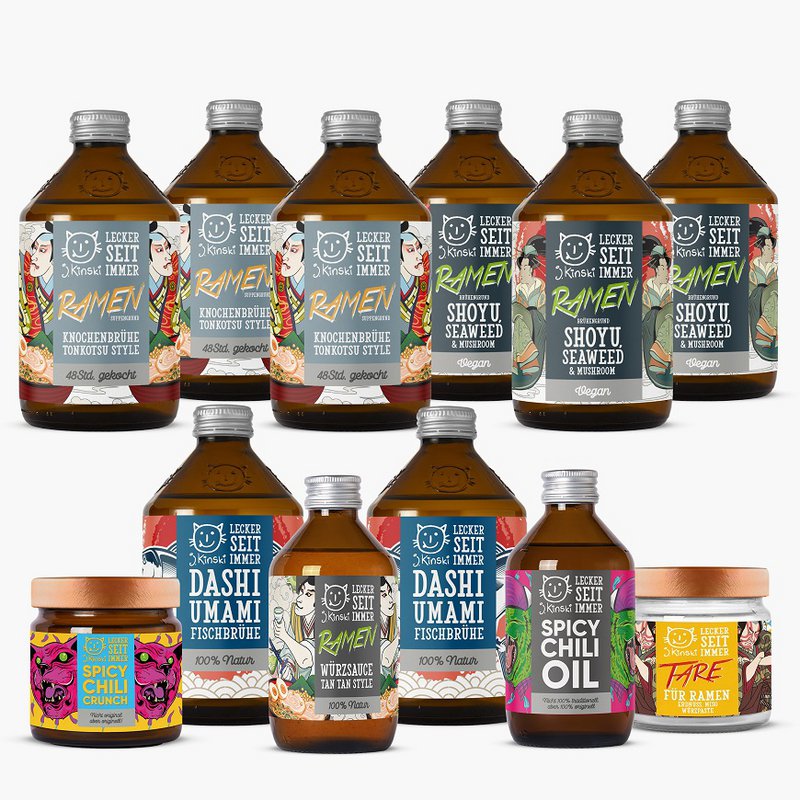
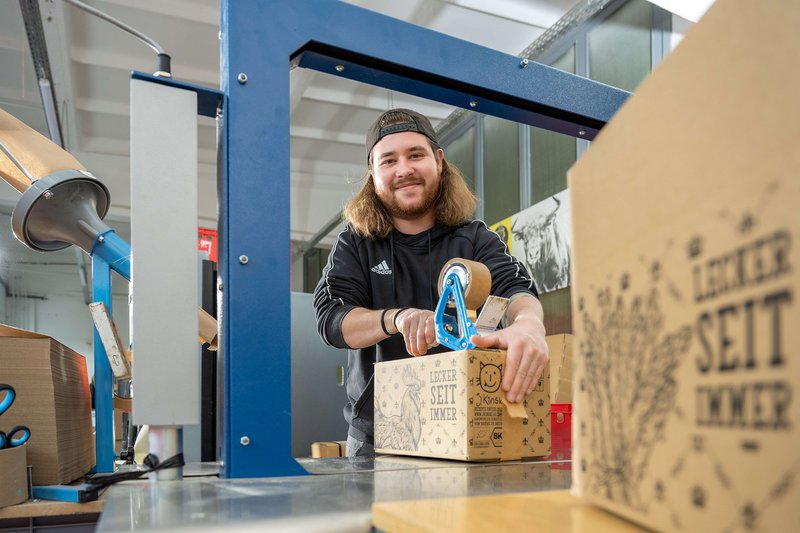
In the J.Kinski Manufactory we produce broths, sauces, soups and spice mixtures in organic quality. They form the basis for cooking healthy and tasty food at home and consciously eating what is available to us in Europe. We don't lose sight of the bigger picture, because Asian cuisine in particular offers us great incentives to make our diet delicious. And we show that this can be done with regionally and ecologically produced food. In other words, without long delivery routes and with raw materials that pollute our environment as little as possible.