
























































Palazzo Rosa
4.0
Barbania, Italië


Palazzo Rosa biedt 33 producten aan. Meld je aan om meer te zien.
Palazzo Rosa verkoopt
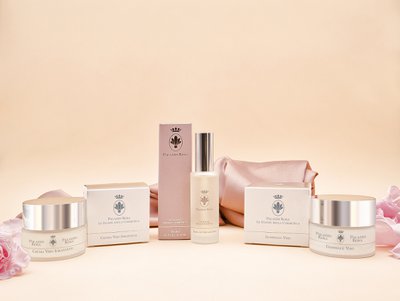
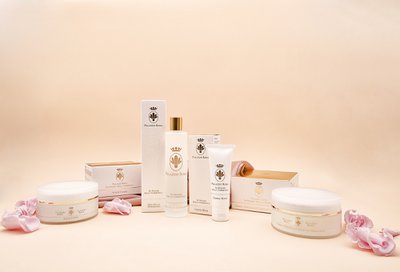
Over Palazzo Rosa
In de prachtige binnenplaatsen van Palazzo Rosa zijn altijd oude rozen gekweekt omdat ze mooi zijn, omdat ze in het familiewapen en in de familienaam staan. Maar het was in de zeventiende eeuw dat Luis de la Rose met Geneviève du Puy trouwde vanwege haar deugden die niet echt kortstondige schoonheid omvatten. Maar Geneviève - niet meer dan een kind - aangetrokken door de kleurrijke rozenbottel (de nepvrucht van de roos) probeerde het tussen haar handen door te geven en vond onmiddellijk verlichting.
Dus had ze de briljante intuïtie om een "wonderbaarlijke" olie te extraheren die haar in korte tijd (drie maanmaanden) genas van dermatitis en haar die schoonheid van het gezicht gaf die ze nooit had. Het recept werd van generatie op generatie doorgegeven tot de eenwording van Italië. Met Unification of Italy komen moderne rozen, met die gekleurde bloembladen, met die rijke en gezwollen knoppen, met die hemelse geuren die alle zintuigen van de familievrouwen strelen, Palazzo Rosa binnen. En vanaf dat moment is het in Palazzo Rosa, in die cosmetische kamers, een continu uitvinden van parfums, essences en lotions. In plaats daarvan was het Donna Olga, moeder van Carlo, de huidige eigenaar, die in een opwelling een Damast Rose in de rozentuin wilde hebben; in haar ouderlijk huis had Donna Olga zelfs een oud exemplaar van Rosa Damascena meegebracht uit Egypte door Bernardino Drovetti met de duizenden voorwerpen die tegenwoordig het Egyptische museum in Turijn vormen.
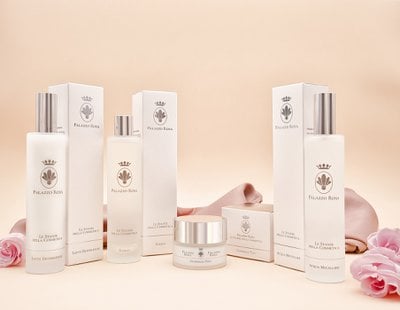
Carlo Rosa, de laatste erfgenaam van het huis, besluit deze oude kennis niet te verspreiden en vindt een bondgenoot in zijn dierbare vriend Eduardo Guarneschella, de beroemde liefhebber van natuurlijke en biologische cosmetica. Door krachten en creativiteit te combineren, is een cosmetische lijn van Damask Rose geboren die traditioneel maar innovatief is, Italiaans en biologisch, natuurlijk en duurzaam.
Omdat Palazzo Rosa van schoonheid houdt,
want Palazzo Rosa houdt van de natuur. In the beautiful courtyards of Palazzo Rosa, ancient roses have always been cultivated because they are beautiful, because they are in the family crest and in the family surname. But it was in the seventeenth century that Luis de la Rose married Geneviève du Puy for her virtues that did not really include ephemeral beauty. But Geneviève - little more than a child - attracted by the colorful rosehip (the fake fruit of the rose) tried to pass it between her hands finding immediate relief.
So she had the brilliant intuition of extracting a "miraculous" oil which in a short time (three lunar months) cured her of dermatitis, giving her that beauty of the face she never had. The recipe was passed down from generation to generation until the Unification of Italy. With Unification of Italy, modern roses, with those colored petals, with those rich and swollen buds, with those heavenly scents that caress all the senses of the family women, enter Palazzo Rosa. And from that moment at Palazzo Rosa, in those cosmetic rooms, it is a continuous inventing of perfumes, essences and lotions. Instead, it was Donna Olga, mother of Carlo, the current owner, who wanted a Damask Rose in the rose garden on a whim; in her family home, in fact, Donna Olga had an ancient specimen of Rosa Damascena brought from Egypt by Bernardino Drovetti with the thousands of objects that make up today the Egyptian museum in Turin.
Carlo Rosa, the last heir of the House, decides not to disperse this ancient knowledge and finds an ally in his dear friend Eduardo Guarneschella, famous lover of natural and organic cosmetics. Combining forces and creativity, a Damask Rose cosmetic line is born which is traditional but innovative, Italian and Organic, Natural and Sustainable.
Because Palazzo Rosa loves beauty,
because Palazzo Rosa loves nature.
Dus had ze de briljante intuïtie om een "wonderbaarlijke" olie te extraheren die haar in korte tijd (drie maanmaanden) genas van dermatitis en haar die schoonheid van het gezicht gaf die ze nooit had. Het recept werd van generatie op generatie doorgegeven tot de eenwording van Italië. Met Unification of Italy komen moderne rozen, met die gekleurde bloembladen, met die rijke en gezwollen knoppen, met die hemelse geuren die alle zintuigen van de familievrouwen strelen, Palazzo Rosa binnen. En vanaf dat moment is het in Palazzo Rosa, in die cosmetische kamers, een continu uitvinden van parfums, essences en lotions. In plaats daarvan was het Donna Olga, moeder van Carlo, de huidige eigenaar, die in een opwelling een Damast Rose in de rozentuin wilde hebben; in haar ouderlijk huis had Donna Olga zelfs een oud exemplaar van Rosa Damascena meegebracht uit Egypte door Bernardino Drovetti met de duizenden voorwerpen die tegenwoordig het Egyptische museum in Turijn vormen.
Carlo Rosa, de laatste erfgenaam van het huis, besluit deze oude kennis niet te verspreiden en vindt een bondgenoot in zijn dierbare vriend Eduardo Guarneschella, de beroemde liefhebber van natuurlijke en biologische cosmetica. Door krachten en creativiteit te combineren, is een cosmetische lijn van Damask Rose geboren die traditioneel maar innovatief is, Italiaans en biologisch, natuurlijk en duurzaam.
Omdat Palazzo Rosa van schoonheid houdt,
want Palazzo Rosa houdt van de natuur. In the beautiful courtyards of Palazzo Rosa, ancient roses have always been cultivated because they are beautiful, because they are in the family crest and in the family surname. But it was in the seventeenth century that Luis de la Rose married Geneviève du Puy for her virtues that did not really include ephemeral beauty. But Geneviève - little more than a child - attracted by the colorful rosehip (the fake fruit of the rose) tried to pass it between her hands finding immediate relief.
So she had the brilliant intuition of extracting a "miraculous" oil which in a short time (three lunar months) cured her of dermatitis, giving her that beauty of the face she never had. The recipe was passed down from generation to generation until the Unification of Italy. With Unification of Italy, modern roses, with those colored petals, with those rich and swollen buds, with those heavenly scents that caress all the senses of the family women, enter Palazzo Rosa. And from that moment at Palazzo Rosa, in those cosmetic rooms, it is a continuous inventing of perfumes, essences and lotions. Instead, it was Donna Olga, mother of Carlo, the current owner, who wanted a Damask Rose in the rose garden on a whim; in her family home, in fact, Donna Olga had an ancient specimen of Rosa Damascena brought from Egypt by Bernardino Drovetti with the thousands of objects that make up today the Egyptian museum in Turin.
Carlo Rosa, the last heir of the House, decides not to disperse this ancient knowledge and finds an ally in his dear friend Eduardo Guarneschella, famous lover of natural and organic cosmetics. Combining forces and creativity, a Damask Rose cosmetic line is born which is traditional but innovative, Italian and Organic, Natural and Sustainable.
Because Palazzo Rosa loves beauty,
because Palazzo Rosa loves nature.
Automatische vertaling
Originele taal
Meld je aan en begin met shoppen!
- Lage minimale orderbedragens
- Één checkout voor meerdere merken
- Nu kopen, tot 60 dagen later betalen