




























































The Unemployed Philosophers Guild
Breda, Países Bajos


The Unemployed Philosophers Guild ofrece 117 productos. Regístrese para ver más.
The Unemployed Philosophers Guild vende
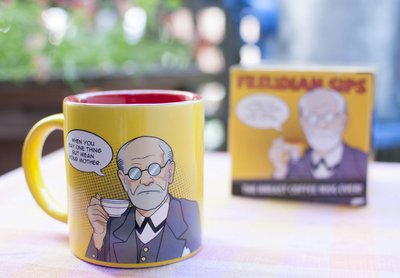
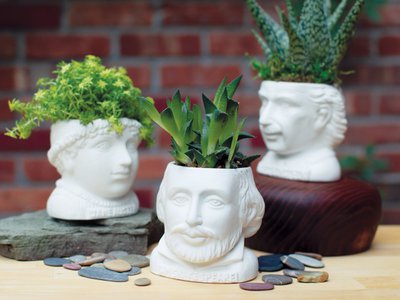
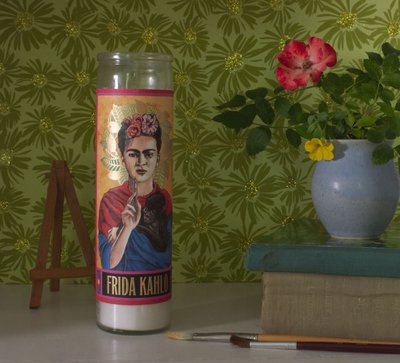
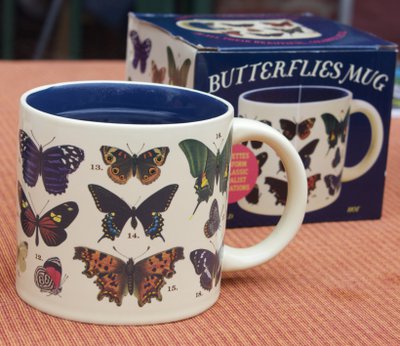
Acerca de The Unemployed Philosophers Guild
El por qué y el cómo del gremio de filósofos desempleados
Los orígenes del Gremio de Filósofos Desempleados están envueltos en un misterio. Algunos relatos rastrean el nacimiento del gremio en Atenas en la segunda mitad del siglo IV a. C. Supuestamente, varios filósofos menores se cansaron del interminable diálogo socrático endémico en su oficio y se dedicaron a fabricar utensilios domésticos y juguetes. (De ahí las afirmaciones de que Sócrates bebió su veneno de cicuta de un cáliz diseñado por el Gremio, aunque un intenso debate rodea la cuestión de si se trataba de un cáliz que "desaparecía").
Otros argumentan que la UPG data de la Alta Edad Media, cuando el Gremio de Filósofos ingresó al mundo del comercio vendiendo panfletos obscenos a los peregrinos que enfrentaban largas filas para ir al baño. El negocio floreció hasta 1211 cuando el Papa Inocencio III condenó las publicaciones. Como era de esperar, esto condujo a un aumento de las ventas, incluso cuando la mitad de nuestros miembros fueron quemados en la hoguera.
Más recientemente, los historiadores revisionistas han señalado el nacimiento del Gremio en el momento en que todavía era genial vivir en el Lower East Side de la ciudad de Nueva York. Dos hermanos volcaron su creatividad interior y su amor por pagar el alquiler para satisfacer las necesidades de la gente de títeres de dedo, pantuflas calientes, tazas de café y reírse a carcajadas. The Why and How of The Unemployed Philosophers Guild
The origins of the Unemployed Philosophers Guild are shrouded in mystery. Some accounts trace the Guild's birth to Athens in the latter half of the 4th century BCE. Allegedly, several lesser philosophers grew weary of the endless Socratic dialogue endemic in their trade and turned to crafting household implements and playthings. (Hence the assertions that Socrates quaffed his hemlock poison from a Guild-designed chalice, though vigorous debate surrounds the question of whether it was a "disappearing" chalice.)
Others argue that the UPG dates from the High Middle Ages, when the Philosophers Guild entered the world of commerce by selling bawdy pamphlets to pilgrims facing long lines for the restroom. Business boomed until 1211 when Pope Innocent III condemned the publications. Not surprisingly, this led to increased sales, even as half our membership was burned at the stake.
More recently, revisionist historians have pinpointed the birth of the Guild to the time it was still cool to live in New York City's Lower East Side. Two brothers turned their inner creativity and love of paying rent towards fulfilling the people's needs for finger puppets, warm slippers, coffee cups, and cracking up at stuff.
Los orígenes del Gremio de Filósofos Desempleados están envueltos en un misterio. Algunos relatos rastrean el nacimiento del gremio en Atenas en la segunda mitad del siglo IV a. C. Supuestamente, varios filósofos menores se cansaron del interminable diálogo socrático endémico en su oficio y se dedicaron a fabricar utensilios domésticos y juguetes. (De ahí las afirmaciones de que Sócrates bebió su veneno de cicuta de un cáliz diseñado por el Gremio, aunque un intenso debate rodea la cuestión de si se trataba de un cáliz que "desaparecía").
Otros argumentan que la UPG data de la Alta Edad Media, cuando el Gremio de Filósofos ingresó al mundo del comercio vendiendo panfletos obscenos a los peregrinos que enfrentaban largas filas para ir al baño. El negocio floreció hasta 1211 cuando el Papa Inocencio III condenó las publicaciones. Como era de esperar, esto condujo a un aumento de las ventas, incluso cuando la mitad de nuestros miembros fueron quemados en la hoguera.
Más recientemente, los historiadores revisionistas han señalado el nacimiento del Gremio en el momento en que todavía era genial vivir en el Lower East Side de la ciudad de Nueva York. Dos hermanos volcaron su creatividad interior y su amor por pagar el alquiler para satisfacer las necesidades de la gente de títeres de dedo, pantuflas calientes, tazas de café y reírse a carcajadas. The Why and How of The Unemployed Philosophers Guild
The origins of the Unemployed Philosophers Guild are shrouded in mystery. Some accounts trace the Guild's birth to Athens in the latter half of the 4th century BCE. Allegedly, several lesser philosophers grew weary of the endless Socratic dialogue endemic in their trade and turned to crafting household implements and playthings. (Hence the assertions that Socrates quaffed his hemlock poison from a Guild-designed chalice, though vigorous debate surrounds the question of whether it was a "disappearing" chalice.)
Others argue that the UPG dates from the High Middle Ages, when the Philosophers Guild entered the world of commerce by selling bawdy pamphlets to pilgrims facing long lines for the restroom. Business boomed until 1211 when Pope Innocent III condemned the publications. Not surprisingly, this led to increased sales, even as half our membership was burned at the stake.
More recently, revisionist historians have pinpointed the birth of the Guild to the time it was still cool to live in New York City's Lower East Side. Two brothers turned their inner creativity and love of paying rent towards fulfilling the people's needs for finger puppets, warm slippers, coffee cups, and cracking up at stuff.
Traducción automática
Idioma original
¡Regístrese y empiece a comprar!
- Importes mínimos de pedido reducidos
- Un solo pago para varias marcas
- Compre ahora y pague hasta 60 días después